Digestivo
The term “digestivo” or “digestive” does not refer to one drink, but a class of drinks that are enjoyed after a big meal with the aim of settling the stomach and helping that ‘not-quite-so-full’ feeling.
Drinking them dates back to the Middle Ages, when people all over Europe believed in the medicinal properties of alcohol mixed with sugar and herbs. Although the medical fraternity is still out on the benefits of drinking medium to strong liquors after a meal, the fact remains that you cannot say you have enjoyed a real Italian meal unless you top it off with a shot of the hard stuff.
Popular digestives include limoncello, grappa, vin santo, amaro, cynar, amaretto, and if you’re feeling brave, sambuca which has enough alcohol to make a horse giddy. If you step off the beaten track in Italy you will also discover all types of amazing post-dinner tipples made from local fruits and herbs. Don’t be shy, they are always worth a sip.
Drinking them dates back to the Middle Ages, when people all over Europe believed in the medicinal properties of alcohol mixed with sugar and herbs. Although the medical fraternity is still out on the benefits of drinking medium to strong liquors after a meal, the fact remains that you cannot say you have enjoyed a real Italian meal unless you top it off with a shot of the hard stuff.
Popular digestives include limoncello, grappa, vin santo, amaro, cynar, amaretto, and if you’re feeling brave, sambuca which has enough alcohol to make a horse giddy. If you step off the beaten track in Italy you will also discover all types of amazing post-dinner tipples made from local fruits and herbs. Don’t be shy, they are always worth a sip.
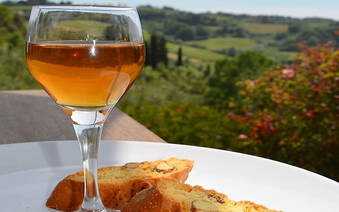
Vin Santo - this Tuscan dessert wine is made from Malavasia and Trebbiano grapes left out to dry before being pressed and aged for 3 to 4 years. Cantucci or Bsicotti are often dunked into the wine.
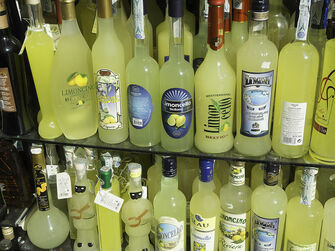
Limoncello is the Italian word referring to an intensely lemon-flavored liqueur most famously associated with and produced in Sorrento, the Amalfi coast, and the island of Capri, but also very popular throughout all of Italy.
Limoncello is the Italian word referring to an intensely lemon-flavored liqueur most famously associated with and produced in Sorrento, the Amalfi coast, and the island of Capri, but also very popular throughout all of Italy.
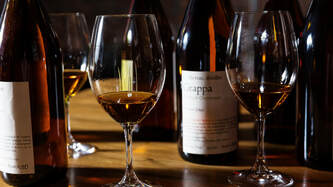
Grappa is produced by distilling the skins, seeds and pulp (the vinacce) left over from winemaking.
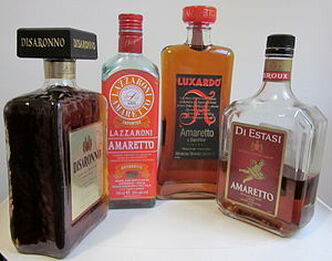
Amaretto is a sweet, bitter almond-flavoured liqueur that is enjoyed as a not only a digestif, but also may be added to many sweet recipes for the almond flavour common in Italian desserts.